
Do AI Real Estate Videos Need a Disclosure Label?
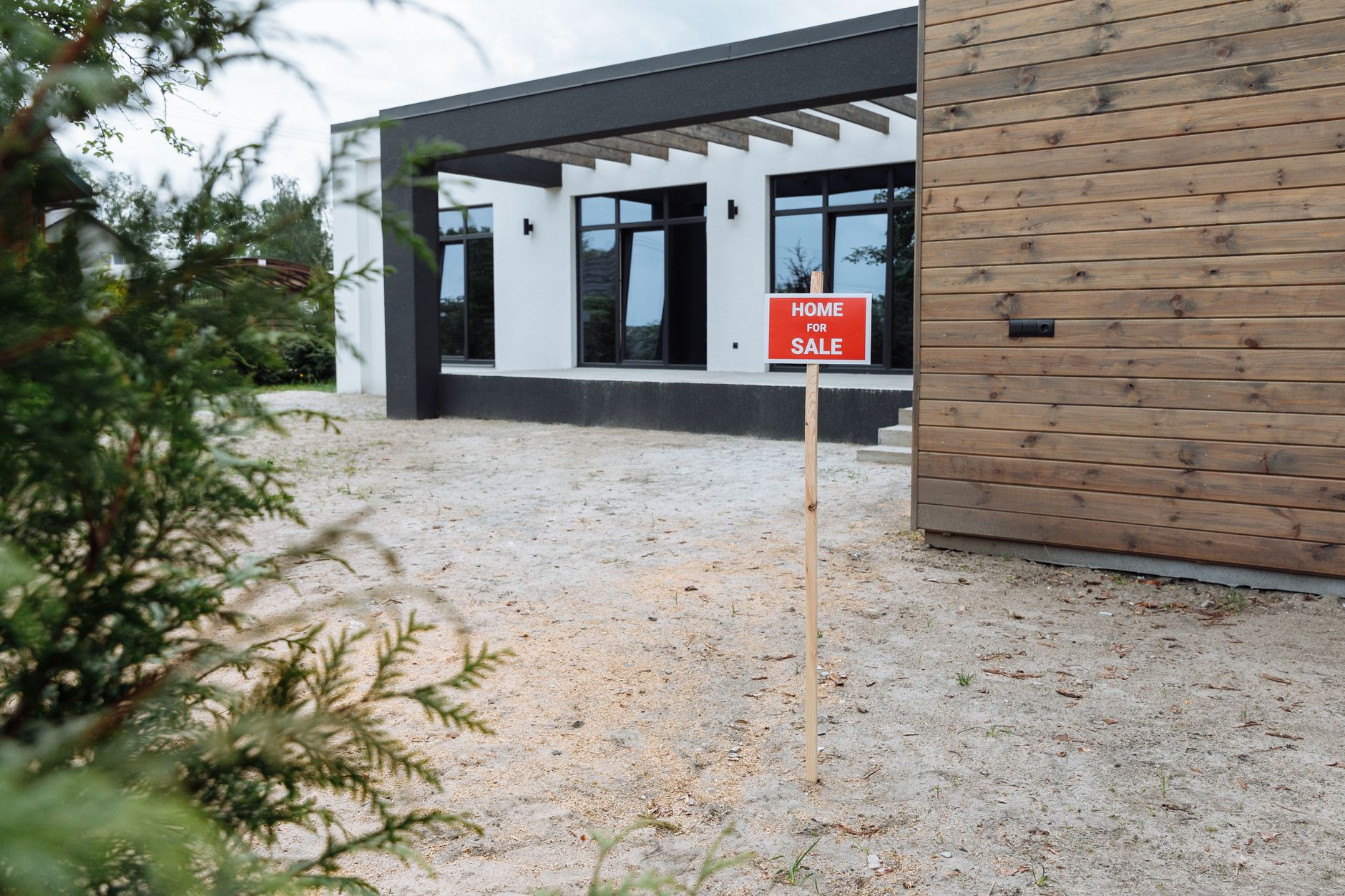
Most agents already know that a virtually staged photo needs a label. Fewer stop to ask whether the video made from those same photos needs one too. It does, and the reasoning is actually a bit broader for video than for a single staged image, because more than one part of the file is generated.
Why an AI real estate video counts as generated content
A property video built from photos is not a recording. The camera movement, the pans, the zooms, the transitions between rooms, all of that is synthesized by the AI from a set of still images. If you add a voiceover, that narration is also synthetic speech from a text-to-speech model, not a real person reading a script. Under the EU AI Act (Art. 50(2)), content like this has to carry a machine-readable marking identifying it as AI-generated. On AI Casa Design, every video, image and audio file produced by the real estate video generator carries that marking in its metadata automatically, so you don't have to add it by hand.
What you actually need to disclose, and where
The metadata marking covers the technical side. Art. 50(4) covers the human side: when you publish AI-modified content showing a real property, you need a visible disclosure that a person looking at the listing will actually notice, not just a metadata tag buried in the file. In practice that means a caption or on-screen note along the lines of "video includes AI-generated visuals", the same principle as labeling a staged photo as virtually staged. Portals have their own rules on top of the law, and those can be stricter or more specific than the AI Act itself, so it's worth checking the listing portal's own policy as well as your local advertising rules before you publish, since obligations here vary by country and by portal. Our AI Transparency page sets out where AI is used across the different tools and what each one changes, if you want the full picture before you publish anything.
Video, virtual staging and 3D rendering are not the same thing
It's easy to lump these together, but they solve different problems and each has its own disclosure logic. Virtual staging furnishes an empty room in a real photo: the walls and windows are real, only the furniture is synthetic. A property video takes a set of real photos, staged or not, and generates camera motion between them: the images are still real photos, only the movement is synthetic. A 3D rendering is different again, it's built from a floor plan or a design rather than from a photo of an existing room. If a video includes clips generated from a virtually staged photo, both layers (the staging and the camera movement) are AI-generated and both should be disclosed.
Choosing photos that make a stronger video, before you touch any tool
The one thing you can do today, without any software at all, is get your source photos right. A video generator can only work with what it's given:
- Use 5 to 8 photos per property, shot horizontally, not a mix of portrait and landscape
- Pick photos with even, natural light rather than harsh flash or backlit windows
- Order them the way a visitor would walk the property: entrance, living spaces, bedrooms, exterior last
- If a room is empty or dated, consider running it through virtual staging gratis first so the video shows a furnished space rather than a bare one
A video made from five carefully chosen photos usually looks stronger than one made from fifteen rushed ones.
What it costs: testing it once versus running it every month
It helps to separate the one-off cost from the recurring one before you commit to anything. Testing costs nothing: the free video generator accepts up to five photos and sends a finished clip to your inbox, so you can judge the quality on one of your own listings first. Running it as part of your regular workflow is a recurring cost: monthly plans start at $42/month on the published pricing page and include video generation, virtual staging and floor plan conversion together, across a set number of properties per month. Prices are the ones published on aicasadesign.com and can change, so check the current figures before budgeting a whole month of listings around them.
A video will not sell a property by itself and it won't change what a home is worth. What it changes is how many people stop scrolling and open the listing in the first place. If you want to see what your own photos look like turned into a video, start with the free trial and judge the result on a real listing rather than a sample.
Frequently asked questions
Do I have to label an AI-generated real estate video as AI content?
Yes. Under the EU AI Act, AI-generated content showing a real property needs a visible disclosure that a viewer will actually notice, not just hidden metadata. AI Casa Design marks every generated video, image and audio file automatically with machine-readable metadata, but you still need to add a visible caption or note when you publish it, and check the listing portal's own rules on top of that.
Is a real estate video the same thing as virtual staging?
No. Virtual staging furnishes an empty room inside a real photo, changing the furniture but not the walls or windows. A real estate video takes a set of real photos and generates camera movement between them, so the images stay real and only the motion is synthetic. If the video uses a virtually staged photo, both the staging and the camera movement need disclosing.
How much does an AI real estate video cost?
There's a free option that turns up to five photos into a video sent to your inbox at no cost, useful for testing quality first. For regular use, monthly plans that include video generation alongside virtual staging and floor plan conversion start at $42 a month, as published on aicasadesign.com, and the exact figure can change, so it's worth checking the current pricing page before budgeting.
Can an AI video actually help a listing sell faster?
There's no guarantee tied to any single tool, since a video changes how many people open and engage with a listing rather than what the property is worth. What's fairly consistent is that video content draws more views and enquiries than static photos alone, which gives more buyers the chance to picture themselves in the space.
